



Have you ever wondered what coral actually is? You’re not alone! Many people think it’s a plant, but it isn’t. In this blog, we take a dive into the world of coral! What is coral? Is it a plant or an animal? Why is it so important to the ocean? And how do coral reefs make life possible for thousands of marine species? You’ll also discover what is happening to coral around the world, why reefs are disappearing because of climate change, and what coral bleaching actually is. Finally, we’ll explore the different colors of coral and what those colors reveal about the health of a reef.
Coral is made up of tiny living organisms called coral polyps, which together build hard calcium carbonate skeletons that form coral reefs. These reefs are incredibly important: they provide a home for marine life and help protect coastlines. However, rising sea temperatures, pollution, and other human pressures are damaging coral and causing it to lose its vibrant colors. Those colors are more than just beautiful, they’re also a sign of a reef’s health. Healthy coral is usually colorful, while white coral is often under stress and may eventually die.
What you’ll learn in this blog
- What coral is and how it lives
- How coral reefs form and grow
- Why coral is so important for the ocean and biodiversity
- Why coral loses its color (coral bleaching)
- The biggest threats to coral
- What you can do to help protect coral
- The different types of coral
- The role of the BRANCH Coral Foundation
What exactly is coral?
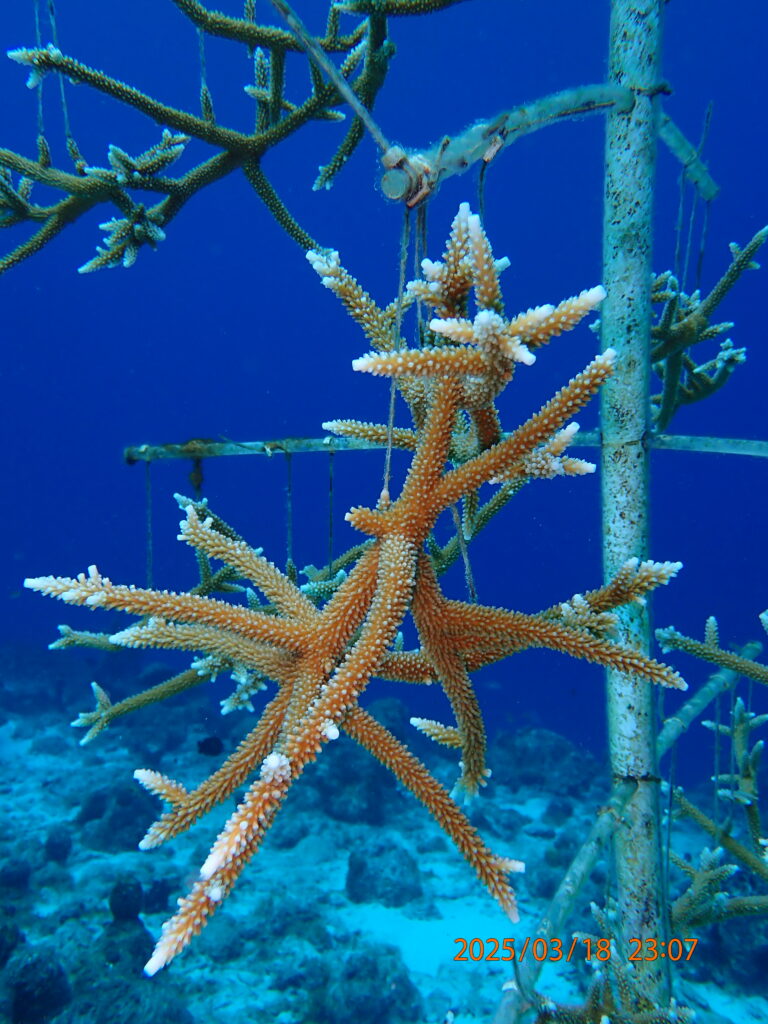
If you’ve ever wondered, “What exactly is coral?” or “How do coral reefs form?” It’s important to know that coral is neither a plant nor a rock, it’s a living animal. Coral is made up of tiny animals called polyps. These polyps live together in large colonies and slowly build hard structures that eventually become coral reefs.
Coral reefs form as millions of polyps extract calcium from seawater to build limestone skeletons. This process takes hundreds to thousands of years, but over time these skeletons create vast underwater ecosystems. That’s why coral reefs are so important: they provide habitat for thousands of marine species and support incredible biodiversity.
Fun fact: Did you know the Great Barrier Reef is so large that it can be seen from space?
Coral also lives in partnership with tiny algae called zooxanthellae. These algae live inside the coral’s tissues, converting sunlight into energy through photosynthesis and sharing much of that energy with the coral. In return, the coral provides the algae with shelter and nutrients. This partnership is what gives coral its color and supports its growth and survival.
These three coral species make Curaçao’s underwater world so special
Dozens of coral species live around Curaçao, each with its own shape and role within the reef. Some build massive, sturdy structures, while others grow in BRANCHing forms or spread across the seabed in delicate patterns. Together, they create a colorful and thriving ecosystem. Here are three remarkable examples:
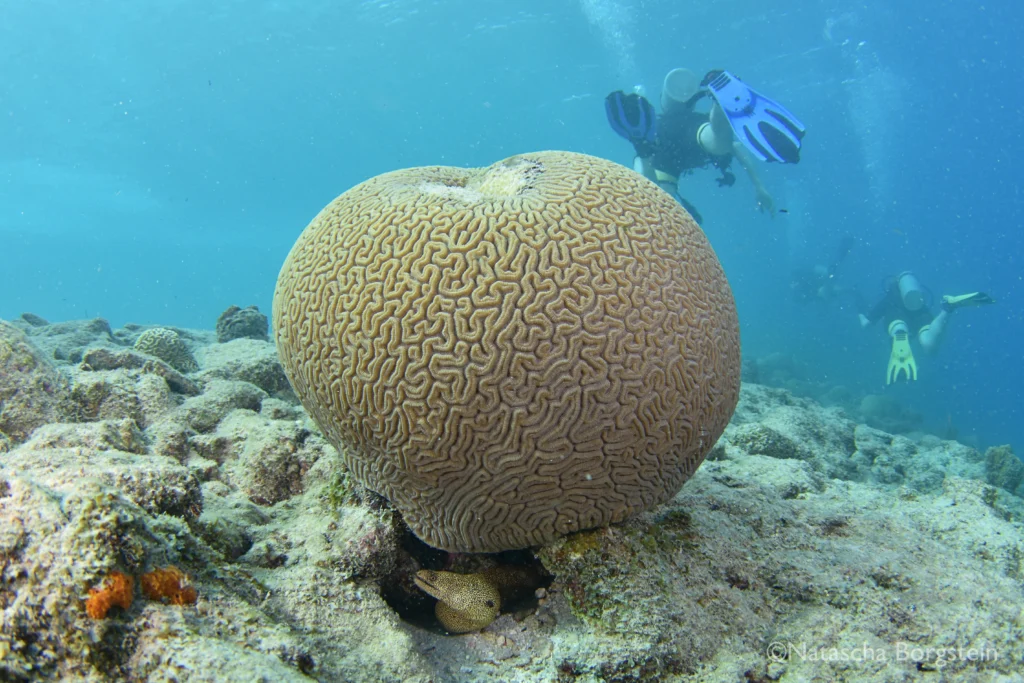
Brain Coral: Brain coral grows slowly but steadily, firmly anchored to the seafloor. Its distinctive maze-like patterns resemble the human brain, making it one of the reef’s most recognizable species. As it grows, it helps create strong, stable reef structures.
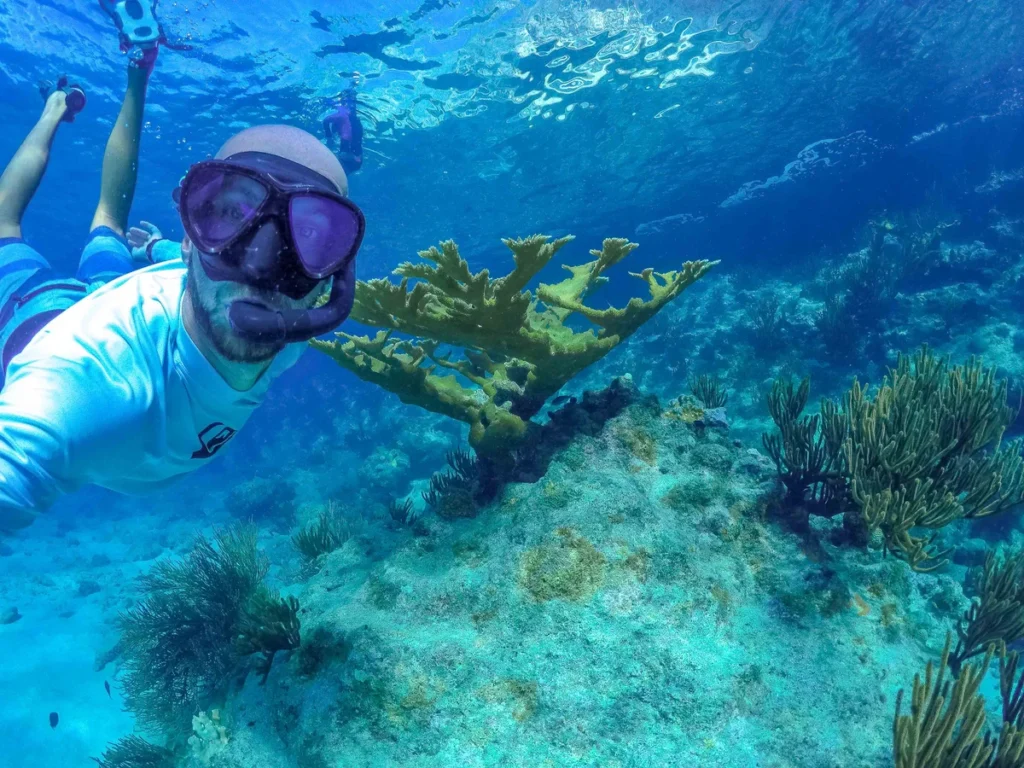
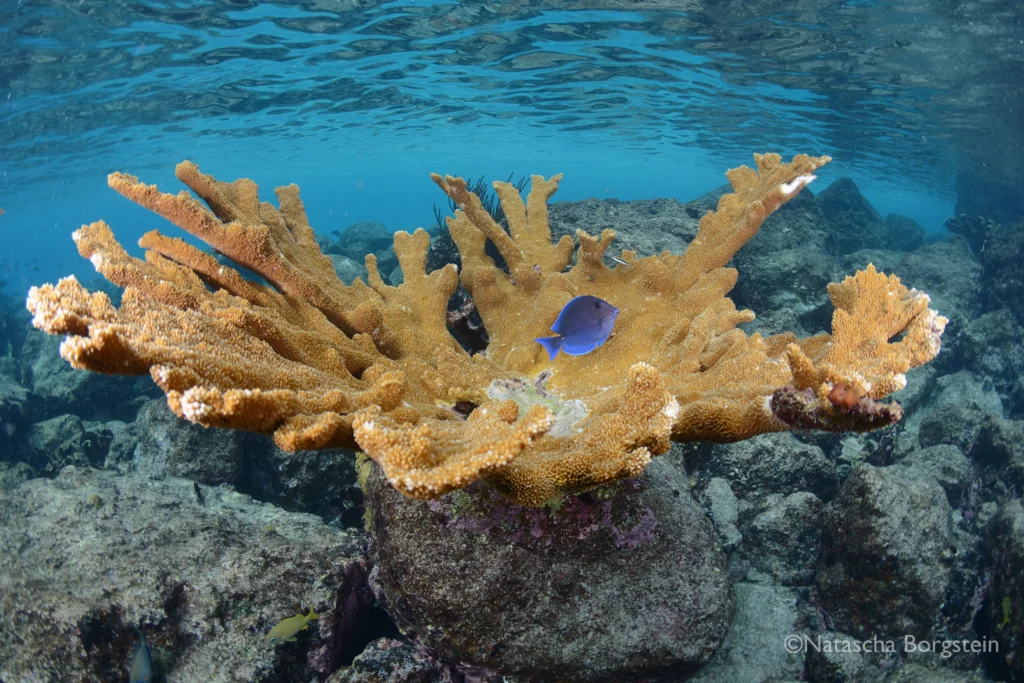
Elkhorn Coral: Elkhorn coral forms large BRANCHing structures that resemble elk antlers. It grows relatively quickly and creates important shelter for countless fish and other marine animals, giving Curaçao’s reefs much of their vibrant character.
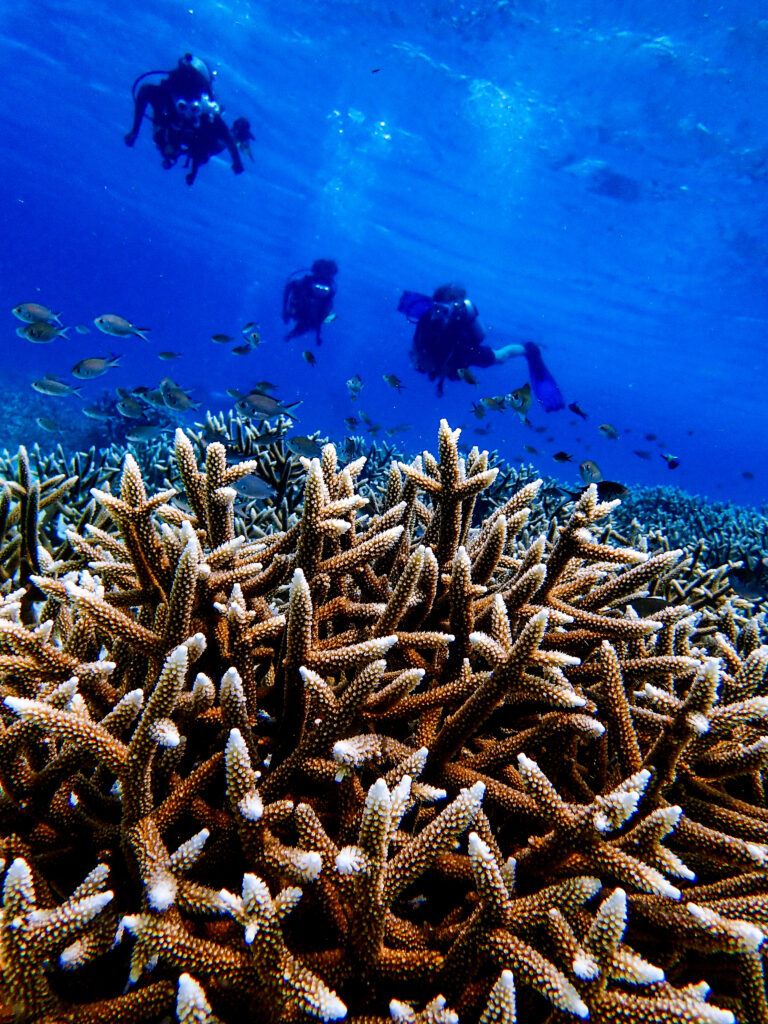
Star Coral: Star coral forms colonies made up of tiny star-shaped polyps that create a beautiful textured surface. Although less flashy than some other species, it is an essential reef builder that contributes greatly to the diversity and stability of the ecosystem.
Why is coral important?
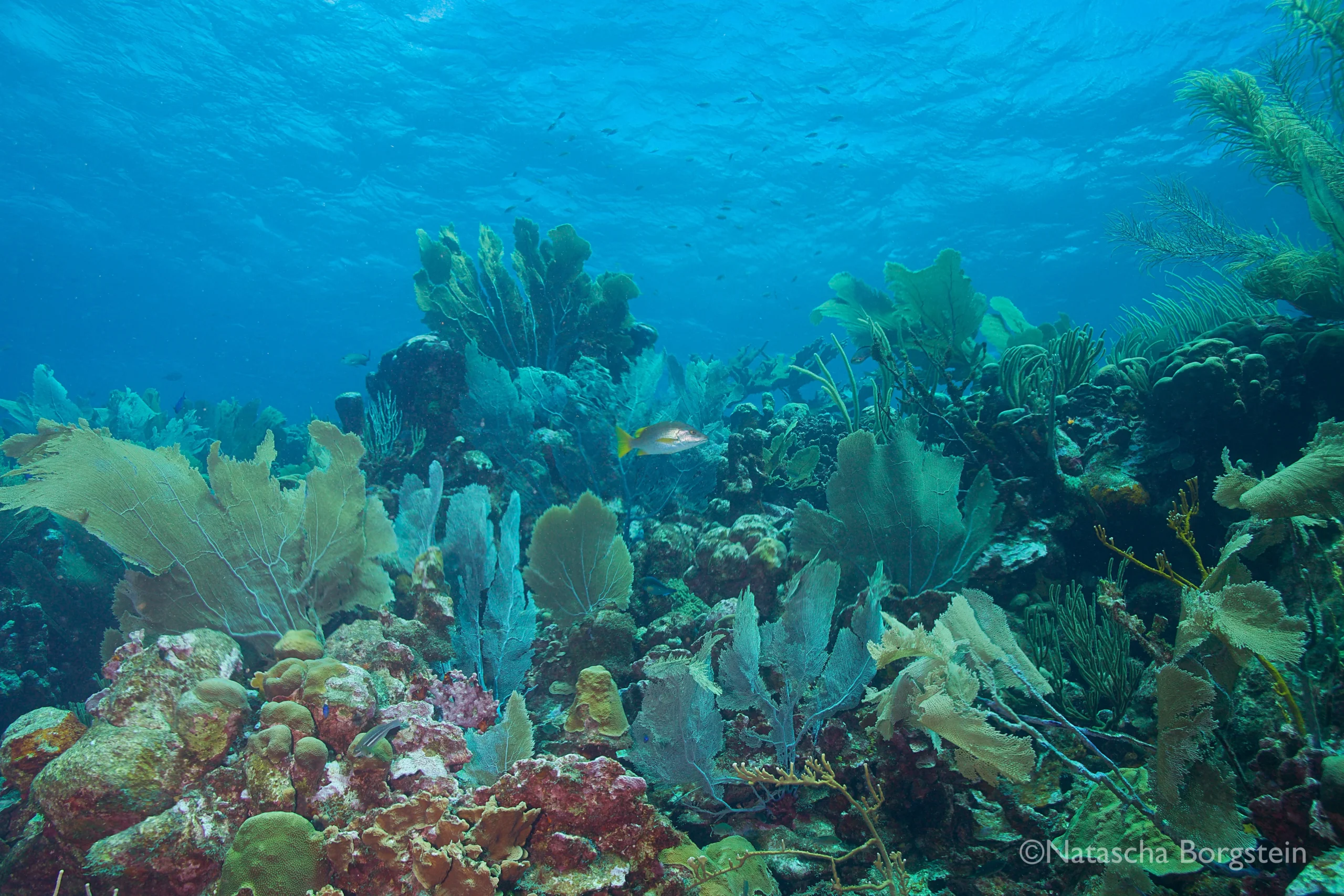
Coral reefs are among the most valuable ecosystems on Earth. When you dive beneath the surface, the reef feels like a bustling underwater city, with every species playing its own role. Coral reefs provide shelter, breeding grounds, and food for thousands of marine species. Without them, much of ocean life simply couldn’t survive. You can’t imagine a world without Nemo and Dory, can you?
Coral reefs also protect coastlines by acting as natural barriers against waves, storms, and hurricanes. Beyond their ecological importance, they support millions of people worldwide through fishing, tourism, and coastal protection.
Research from organizations such as National Oceanic and Atmospheric Administration and World Wide Fund for Nature shows that coral reefs are declining rapidly because of climate change, pollution, and overfishing. According to NOAA, roughly half of the world’s coral reefs have already been lost or severely damaged. Scientists warn that while recovery is still possible, the window to act is becoming smaller. Protecting and restoring coral reefs has never been more urgent.
Learn more about the impact of climate change on coral at WWF and NOAA.
Why is coral so colorful?
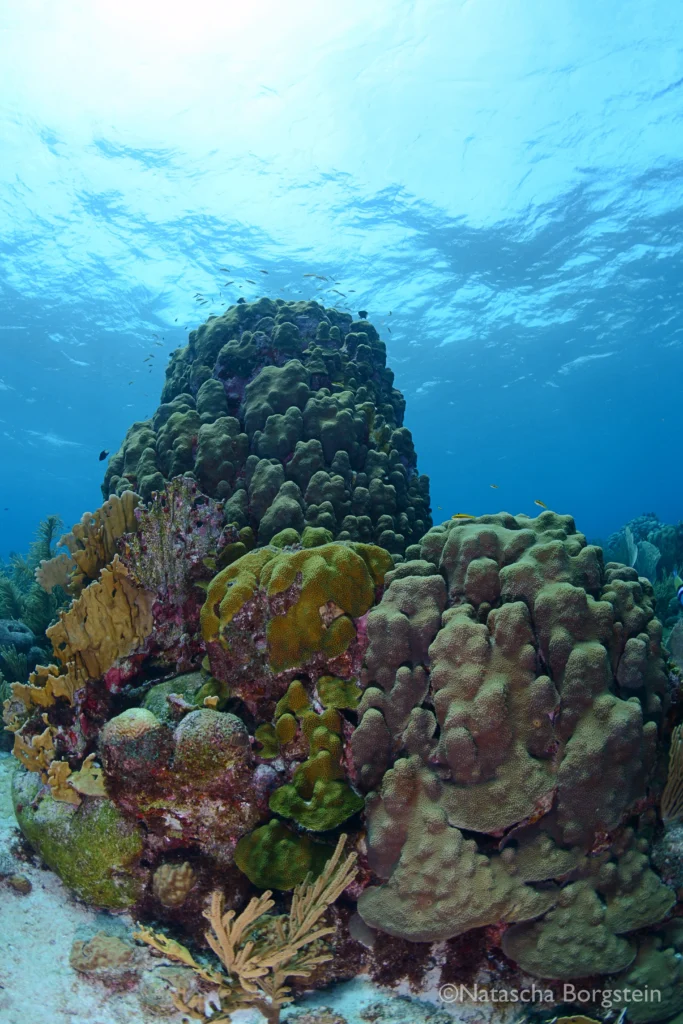
Besides their ecological importance, coral reefs are breathtakingly beautiful. Healthy coral can be red, orange, purple, blue, yellow, green, and many other colors depending on the species and its environment.
These vibrant colors come largely from the zooxanthellae living inside the coral. As they photosynthesize, they provide energy to the coral while also giving it its brilliant colors.
What is coral bleaching?
A coral’s color tells us a great deal about its health. When coral experiences stress from unusually warm water, pollution, or other environmental changes, it expels the zooxanthellae living inside its tissues. Without these algae, the coral loses its color and turns white. This process is known as coral bleaching.
Bleaching doesn’t immediately kill coral, but it weakens it significantly. If stressful conditions continue for too long, the coral may eventually die.
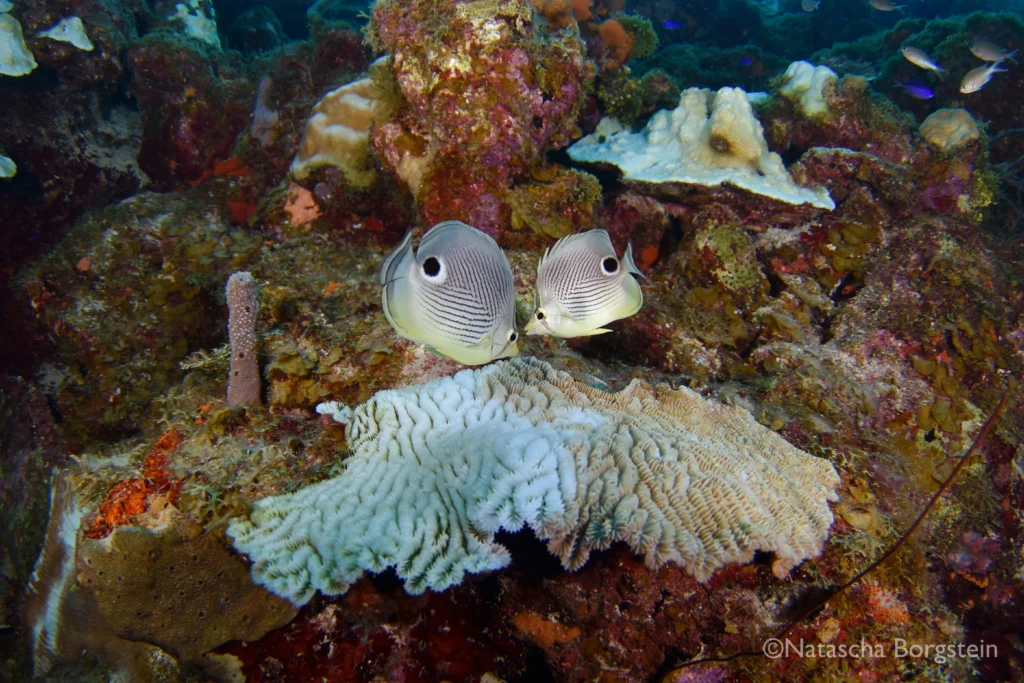
“Over the past few years, I have literally watched the reef change. Large fields of coral that were once full of life and color are now dead, broken stretches of reef. It really hurts to see.” Diving instructor Corné Klopper
Learn more about coralbleaching.
Why is coral dying?
Coral reefs around the world are disappearing faster than they can recover, making the question more urgent than ever: why is coral dying?
The biggest cause is climate change. Rising sea temperatures stress coral and disrupt its relationship with zooxanthellae, leading to coral bleaching. Without these algae, coral loses its primary source of energy and can eventually die.
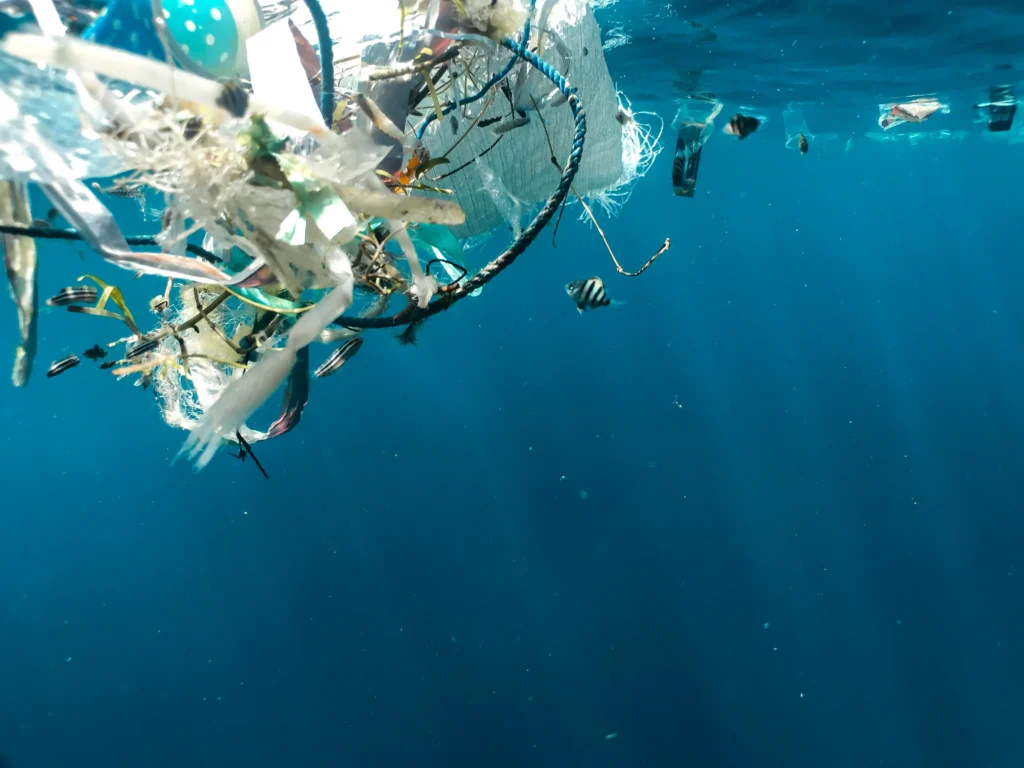
Other major threats include plastic pollution, chemical pollution, overfishing, coastal development, and irresponsible tourism that physically damages fragile reefs. Together, these pressures make it increasingly difficult for reefs to recover.
As diving instructor Corné Klopper explains:
“If we don’t reverse the current trend, we won’t just lose beautiful coral reefs, we’ll lose an entire ecosystem that supports millions of marine species. That would be devastating for nature and for the communities that depend on fishing and tourism. Coral reefs also protect coastlines from storms and hurricanes, so losing them makes coastal communities far more vulnerable.“
The consequences of coral loss
- Loss of biodiversity as thousands of marine species lose their habitat
- Reduced coastal protection against storms and waves
- Economic losses from declining fisheries and tourism
- Disruption of entire marine ecosystems
- Reduced food security and employment for coastal communities
- Increasing difficulty restoring damaged reefs
What can you do to help coral?
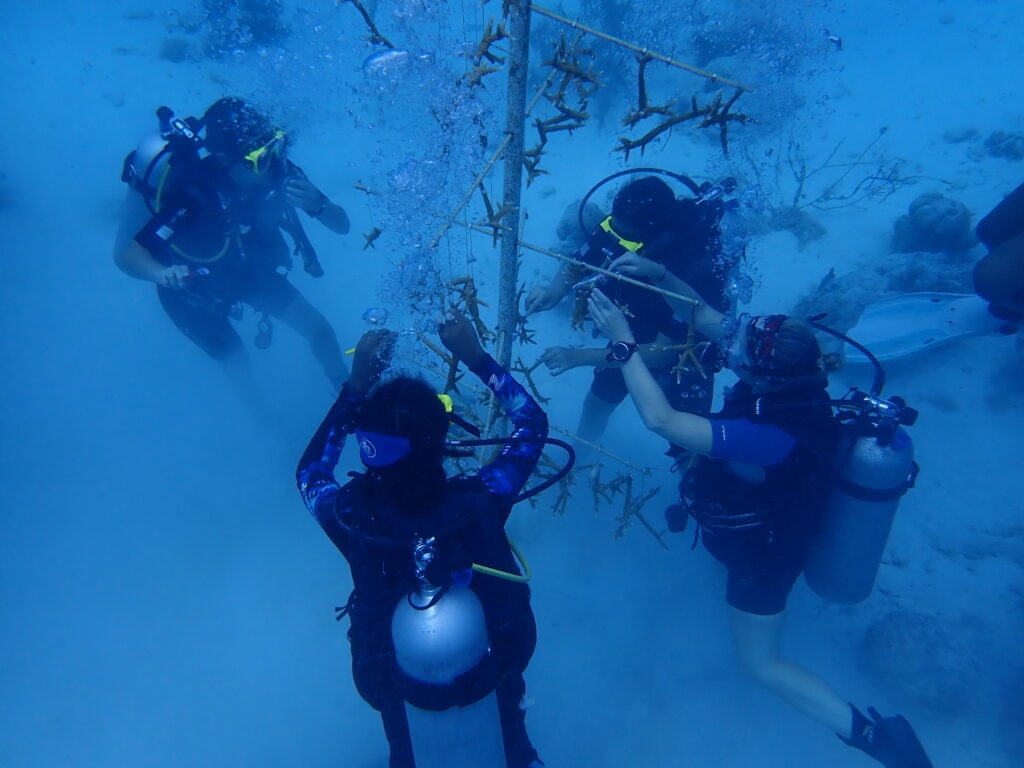
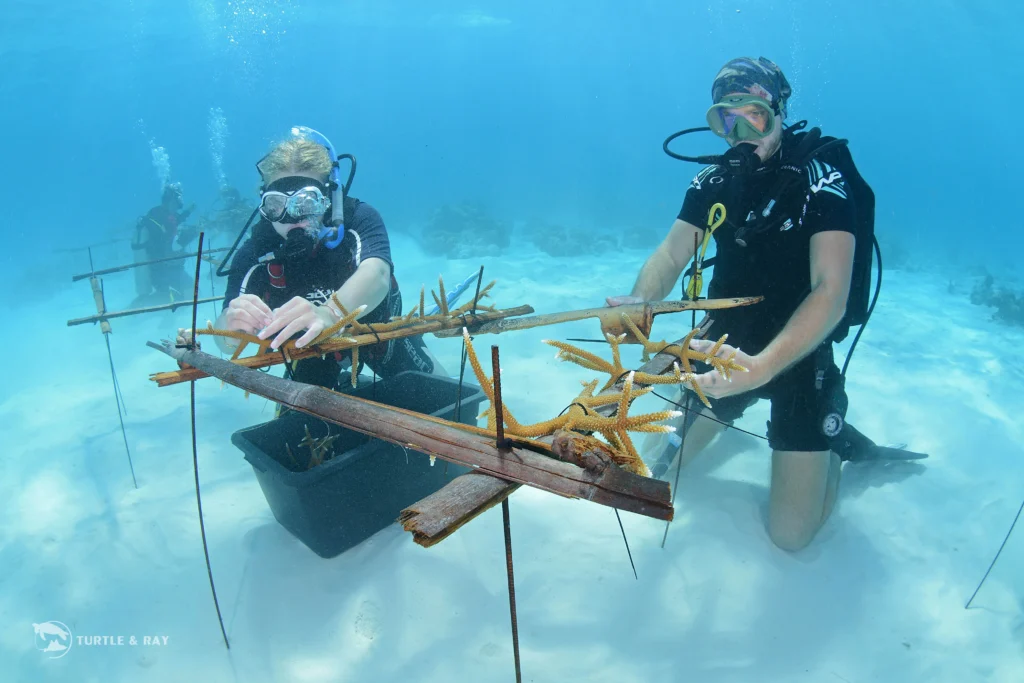
Coral reefs are fragile, but they are not beyond saving. Protecting and restoring them starts with the choices we make every day. The mission of the BRANCH Coral Foundation is to protect, restore, and regrow coral so future generations can enjoy healthy oceans. But this mission is only possible with the support of people like you.
Everyone can make a difference.
Here’s how you can help today
- Choose dive and snorkel operators that follow sustainable practices and actively protect coral reefs.
- Reduce plastic waste and avoid products containing microplastics whenever possible.
- Support organizations working on coral restoration through donations.
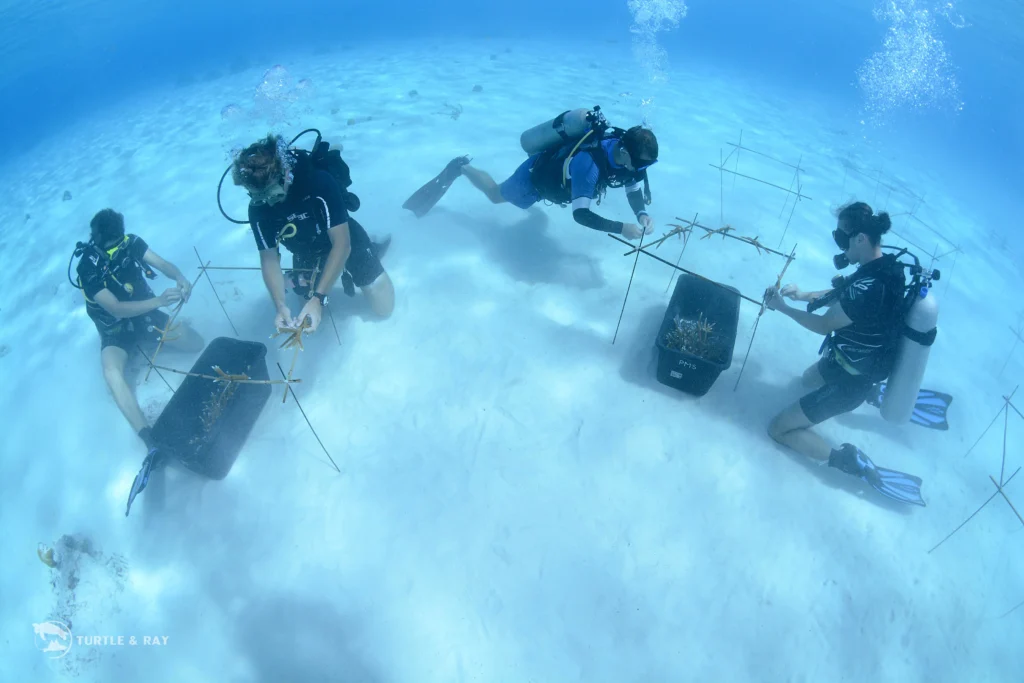
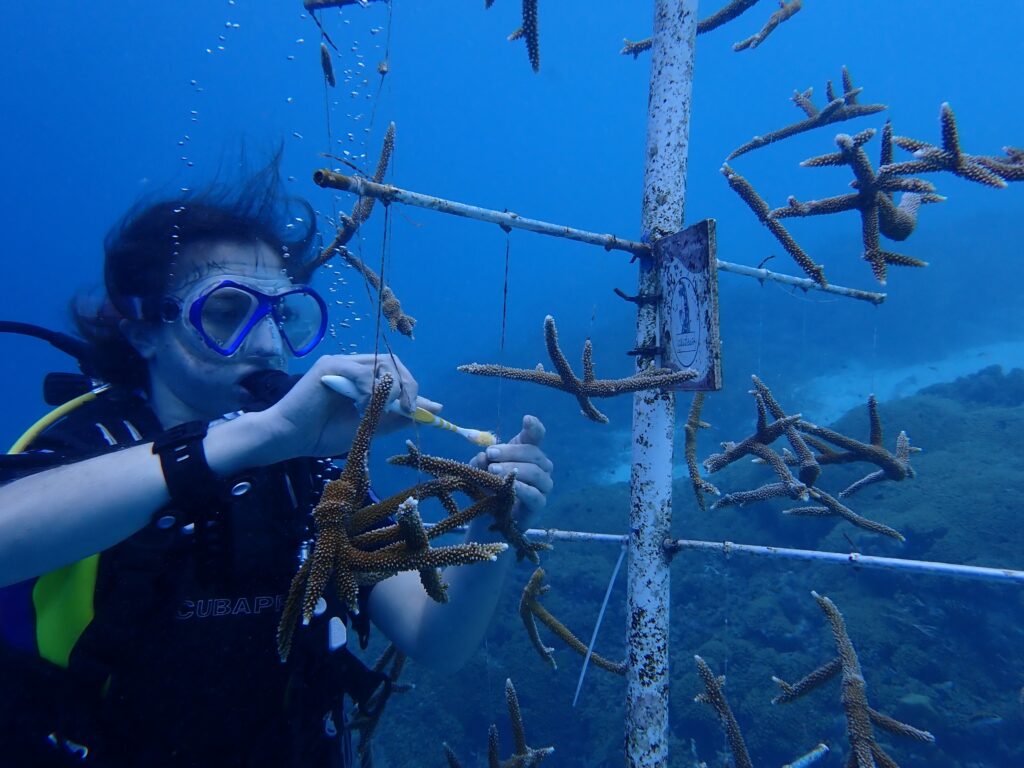
- Adopt a coral and follow its growth as it helps restore the reef.
- Volunteer with local coral restoration projects.
- Spread awareness by sharing information about coral conservation with friends, family, and on social media.
Together, we can bring back the color of the ocean
Coral reefs can recover, but only if we act now. Every choice you make helps shape the future of our oceans. The BRANCH Coral Foundation works every day to restore color, life, and balance to the sea, but lasting change is only possible with people like you.
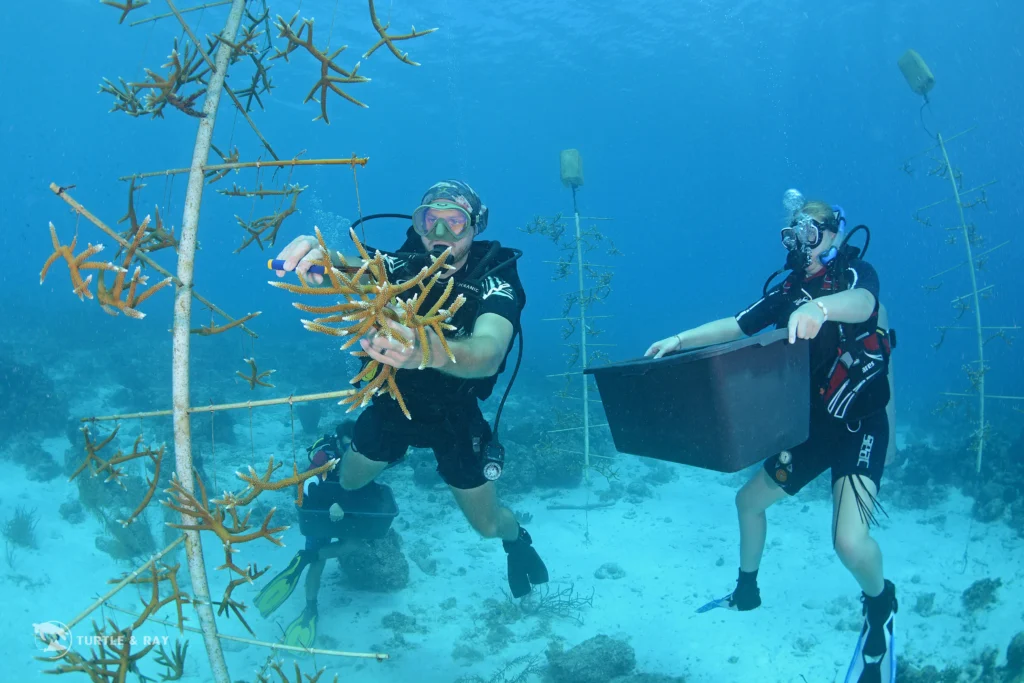
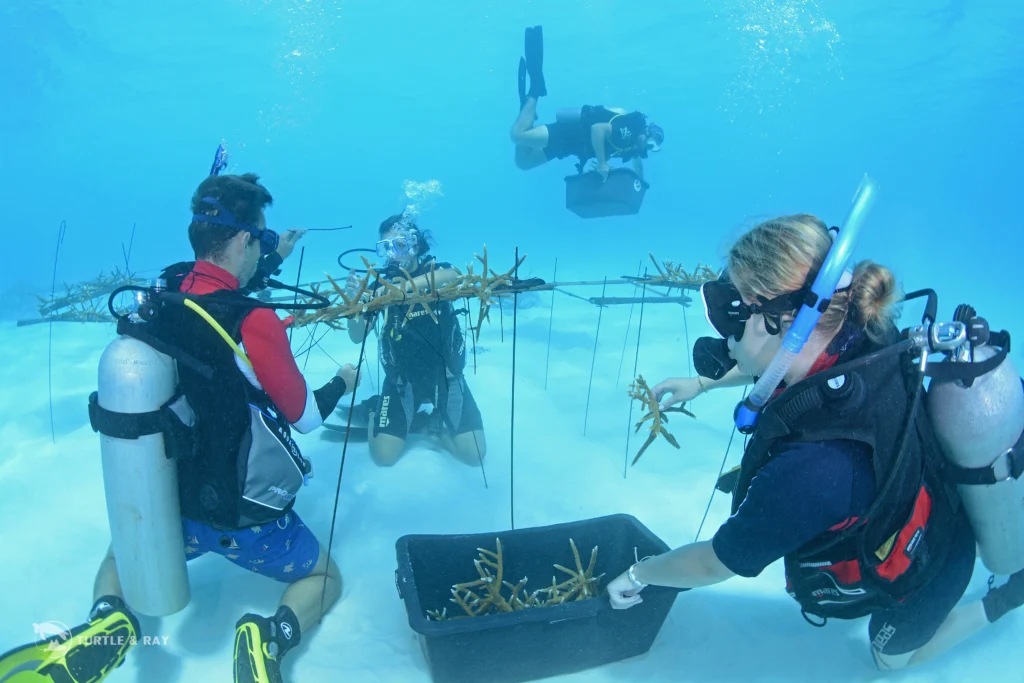
Want to make a real difference? Support a restoration project, adopt a coral, or volunteer. Every action, no matter how small, brings our oceans one step closer to recovery.
Frequently Asked Questions
What is coral?
Coral is made up of tiny living animals called coral polyps that live together in colonies. Each polyp builds its own calcium carbonate skeleton, and over time these colonies grow into coral reefs. Although coral may resemble a plant, it is actually an animal that lives in partnership with microscopic algae.
Is coral an animal or a plant?
Coral is an animal. It consists of tiny polyps that are attached to the seafloor but are living organisms that feed, grow, and reproduce. Because of its partnership with algae, it is often mistaken for a plant.
How does coral grow?
Coral grows as polyps extract calcium from seawater to build limestone skeletons. Over hundreds or thousands of years, millions of polyps work together to create coral reefs.
Why is coral important?
Coral reefs are essential for biodiversity, coastal protection, fisheries, and tourism. They provide habitat for thousands of marine species while protecting coastlines from storms and erosion.
Why does coral lose its color?
Coral loses its color when it becomes stressed, usually because of rising sea temperatures or pollution. It expels the algae living inside it, causing the coral to turn white in a process known as coral bleaching.
What does coral eat?
Coral feeds on tiny plankton drifting through the water, but it also gets most of its energy from the zooxanthellae living inside its tissues through photosynthesis.
How can I help coral?
You can help by making sustainable travel choices, reducing plastic use, supporting coral restoration organizations, adopting coral, volunteering, and spreading awareness. Even small actions can make a meaningful difference.