Coral is much more than you might think. Coral reefs are living ecosystems, home to at least 6,000 different marine animal species, and provide natural protection for our coastlines against waves and storms. At the same time, they support millions of people worldwide by providing food, jobs, and income through fishing and tourism. The importance of coral reefs is enormous. You could even call them the beating heart of the ocean.
But for several decades, coral reefs worldwide have been under extraordinary pressure. During a global coral bleaching event between January 2023 and September 2025, NOAA reported that approximately 84.4% of the world’s coral reef area had experienced heat stress at levels capable of causing coral bleaching. This does not mean that 84.4% of all corals have died, but it does mean that nearly every major reef region has experienced potentially harmful ocean temperatures.
Fortunately, a growing number of coral restoration projects are working to help protect and restore coral populations, including 340 coral species threatened with extinction. In this article, you’ll discover how BRANCH Coral Foundation is restoring coral reefs in Curaçao and the impact these efforts are making.
What you’ll learn in this blog
Coral reefs worldwide are under threat.
Coral nurseries restore reefs through fragmentation.
Innovations like bioprinting create new restoration opportunities.
Coral restoration benefits both marine life and local communities.
Restoration must also address the causes of reef degradation.
BRANCH Coral Foundation restores reefs in Curaçao with local partners and communities.
Endangered coral species
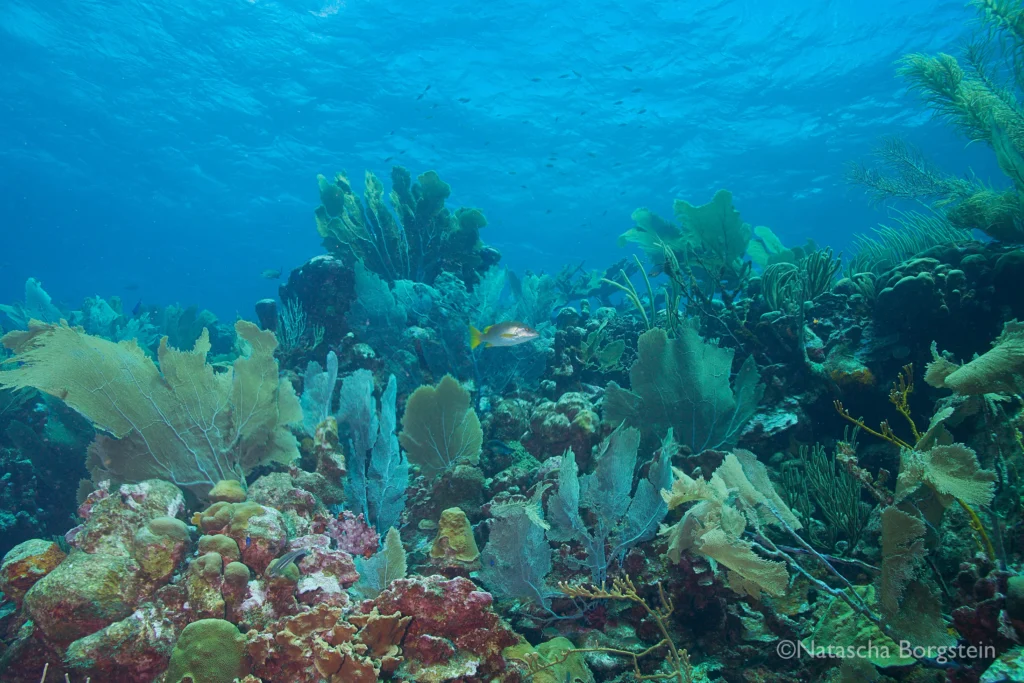
In 2025, Curaçao was estimated to have approximately 15.7 km² of coral reef habitat at depths between 10 and 20 meters. Today, only about 5% of the reef surrounding the island’s coastline is covered by living hard coral. In the 1970s, that figure was still 45%. Of the living hard coral once found on Curaçao’s reefs, only around 10% remains.
Some of the most threatened coral species in Curaçao include:
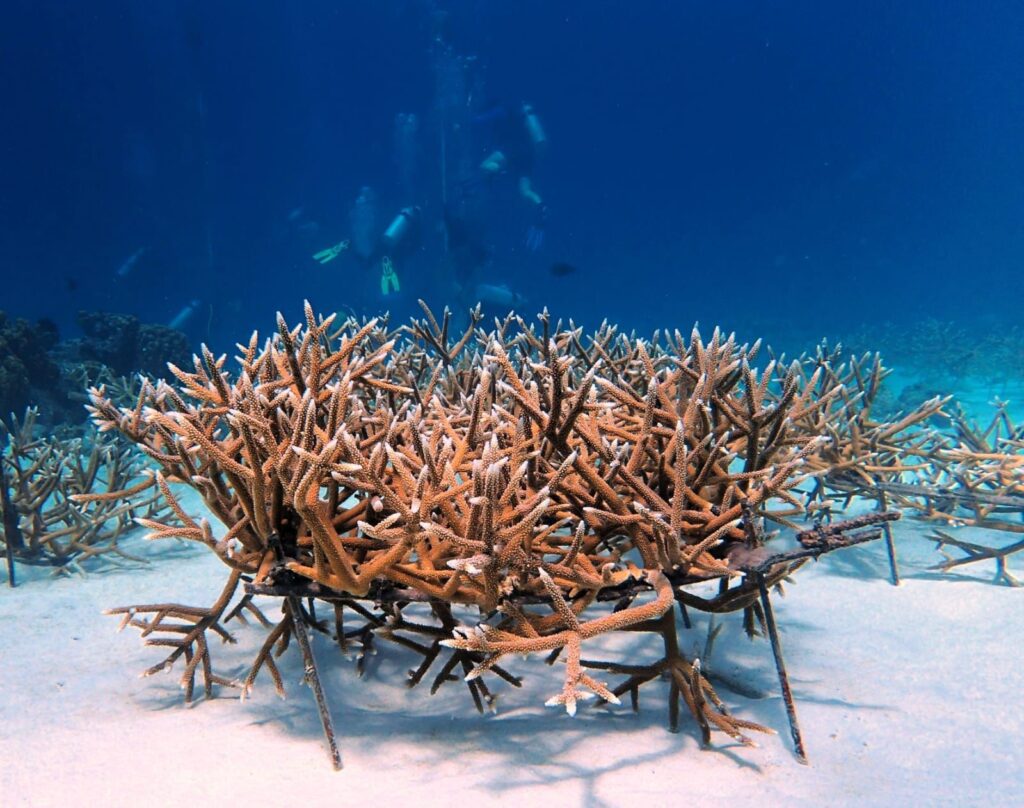
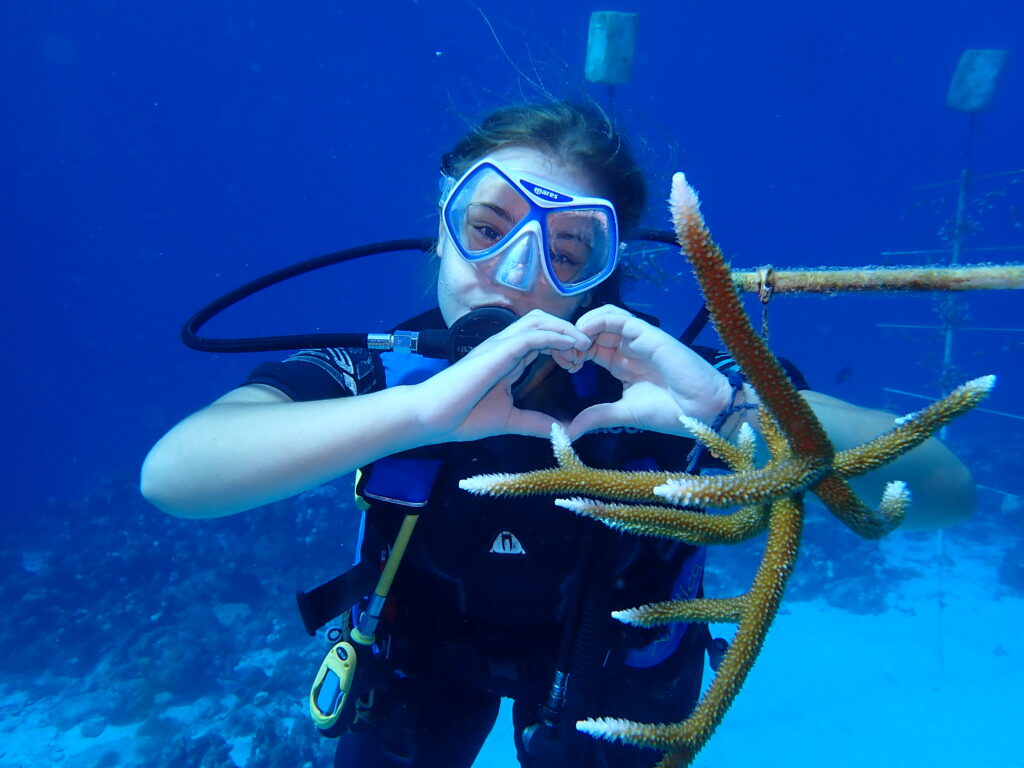
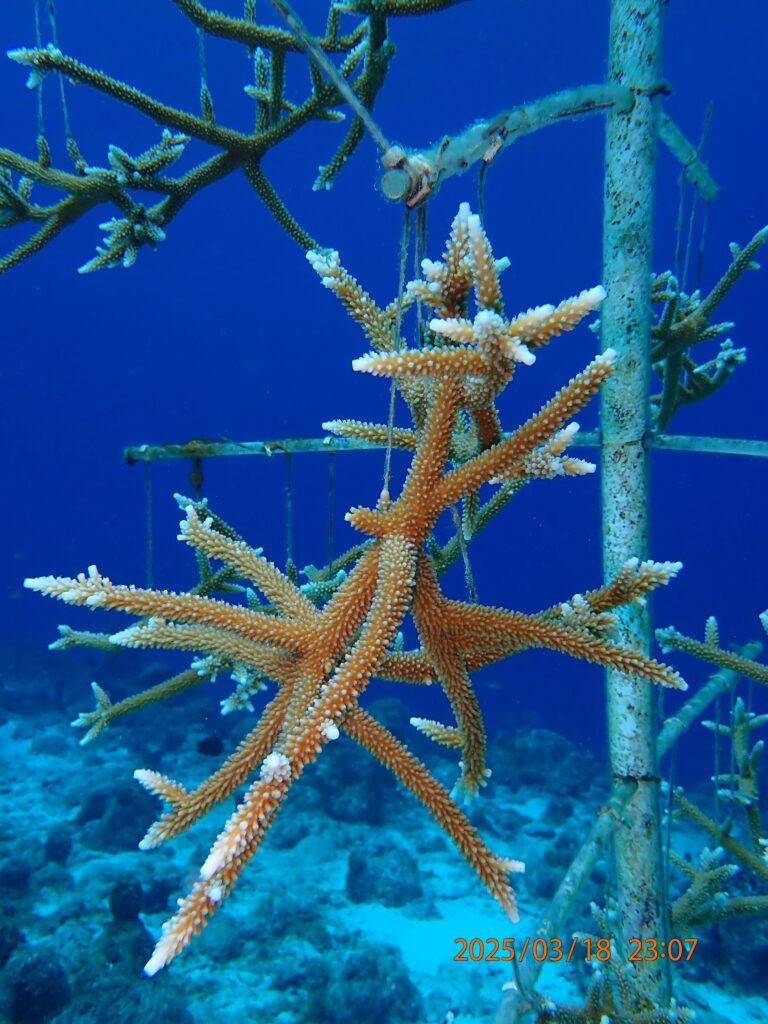
Staghorn coral (Acropora cervicornis):
Unfortunately, this remarkable coral species is facing a serious decline. Staghorn coral is currently listed as Critically Endangered on the IUCN Red List, placing it among the most severely threatened coral species. This is particularly concerning because staghorn coral once played a vital role in building Caribbean reefs. Its branching colonies also provide essential shelter and habitat for fish and countless other reef organisms.
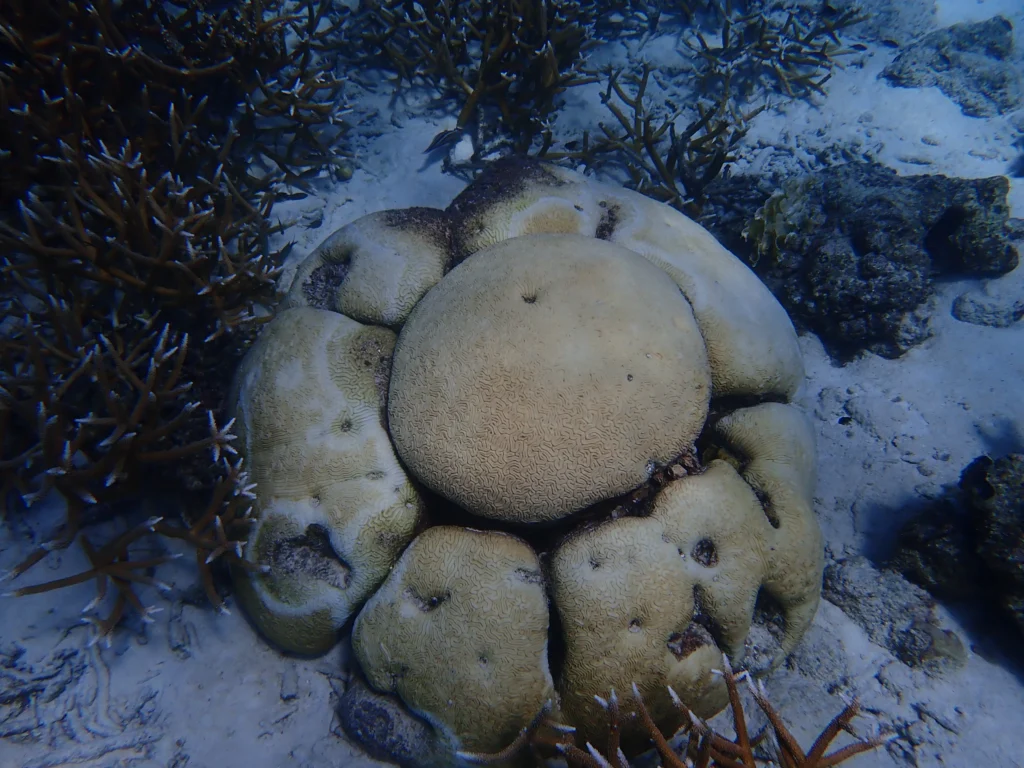
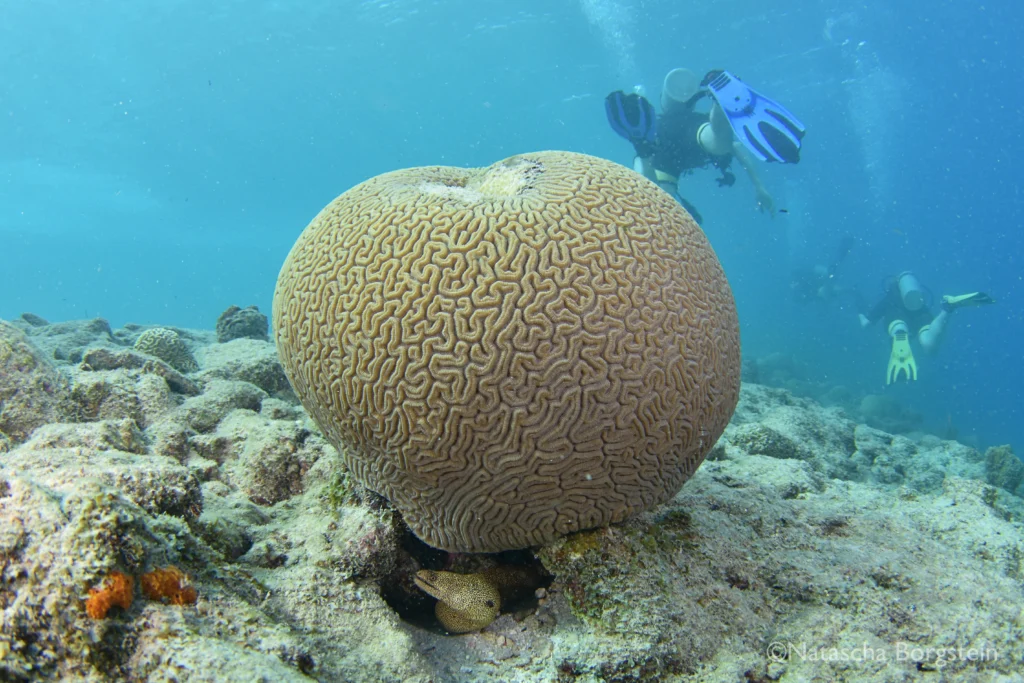
Grooved brain coral (Diploria labyrinthiformis):
This species is also under significant pressure. Rising ocean temperatures and pollution, including sedimentation, threaten its survival. In addition, grooved brain coral is particularly vulnerable to Stony Coral Tissue Loss Disease (SCTLD), a severe coral disease that can affect entire colonies.
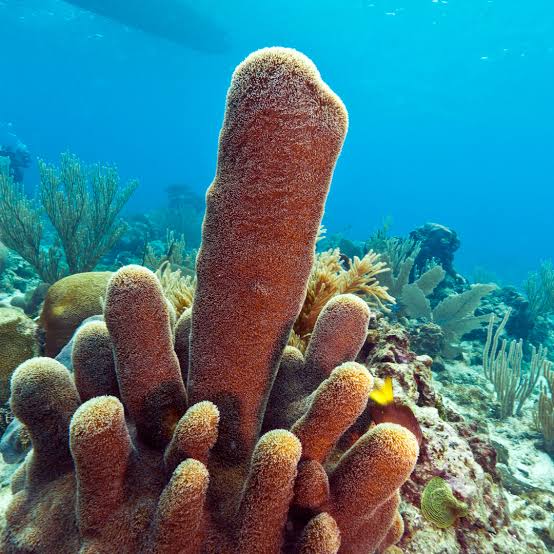
Pillar coral (Dendrogyra cylindrus):
Recognizable by its tall, upright columns that rise above the reef, this unique coral species has unfortunately become ecologically extinct in Curaçao following the arrival of SCTLD in 2023. Approximately 20 other coral species have also experienced significant declines since then.
Multiple stressors, including ocean warming and coral diseases, reinforce one another and threaten the survival of these species. Max van Aalst, founder of BRANCH Coral Foundation, witnessed these changes firsthand.
“I grew up in Curaçao with the coral reef right on my doorstep. After school, I would often spend time in the ocean. While I enjoyed it immensely, I also witnessed the reef deteriorating over a relatively short period. I decided to study Marine Biology with the intention of eventually returning to the island to care for this reef. I didn’t just want to talk about what was going wrong. I wanted to work on solutions underwater. That was the beginning of BRANCH Coral Foundation.”
Max van Aalst, Founder of BRANCH Coral Foundation
Coral restoration techniques
Several techniques are used in coral reef restoration, including:
Fun fact: Scientists are even exploring ways to bioprint young corals, combining coral larvae with algae and bacteria in small protective structures. This technology could help give corals a better chance of survival and make restoration possible on a larger scale. Researchers are also studying which corals are naturally more heat-tolerant so they can potentially be used in future coral breeding and restoration programs.
How does coral restoration work?
Coral restoration involves different techniques designed to help damaged coral reefs recover, encourage new coral growth, and protect marine biodiversity.
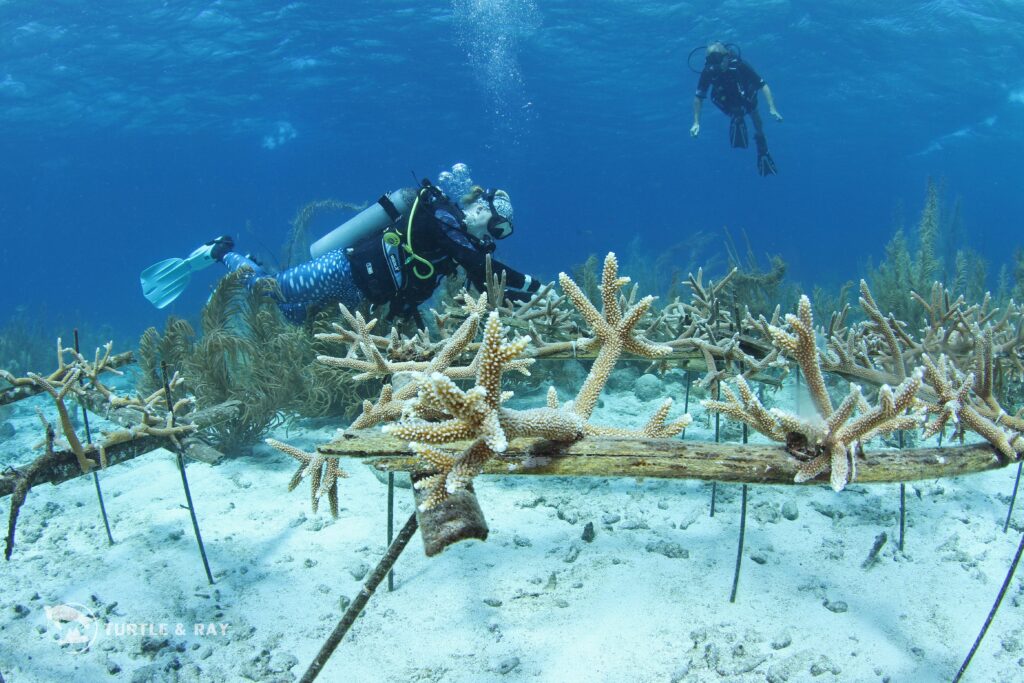
1. Coral fragmentation
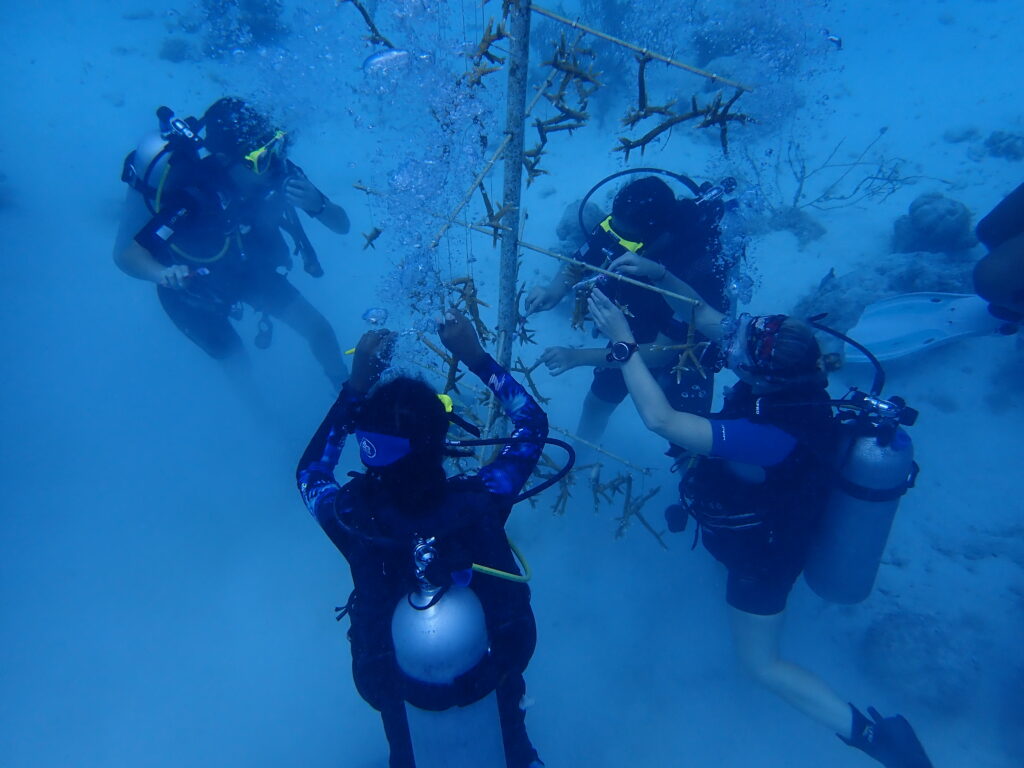
Coral fragmentation involves carefully separating small pieces from healthy coral colonies and growing them under suitable conditions. These fragments develop into new coral colonies that can eventually be transplanted onto damaged reefs. This allows researchers and restoration organizations to accelerate coral propagation and support reef recovery.Learn more about coral fragmentation.
2. Coral transplantation
Coral transplantation involves moving living corals to locations where they have a better chance of survival. The corals are carefully attached to suitable surfaces, allowing them to establish themselves and continue growing. This technique can help increase live coral cover and biodiversity on damaged reefs. Learn more about coral transplantation.
3. Ecosystem restoration
Ecosystem restoration focuses on more than just the corals themselves. It considers the health of the entire reef ecosystem. Researchers and conservation organizations work to improve environmental conditions, reduce pollution, and address other factors that prevent coral growth. By creating a healthier environment, corals have a better opportunity to recover and new colonies can establish themselves. Learn more about coral reef restoration methods.
4. Coral disease treatment
Coral diseases can affect large sections of a reef. One example is Stony Coral Tissue Loss Disease (SCTLD), which damages living coral tissue. Researchers are testing treatments, including the targeted application of antibiotics to affected areas, to slow the progression of the disease. Effectiveness varies depending on the treatment and coral species. Learn more about SCTLD treatment research.
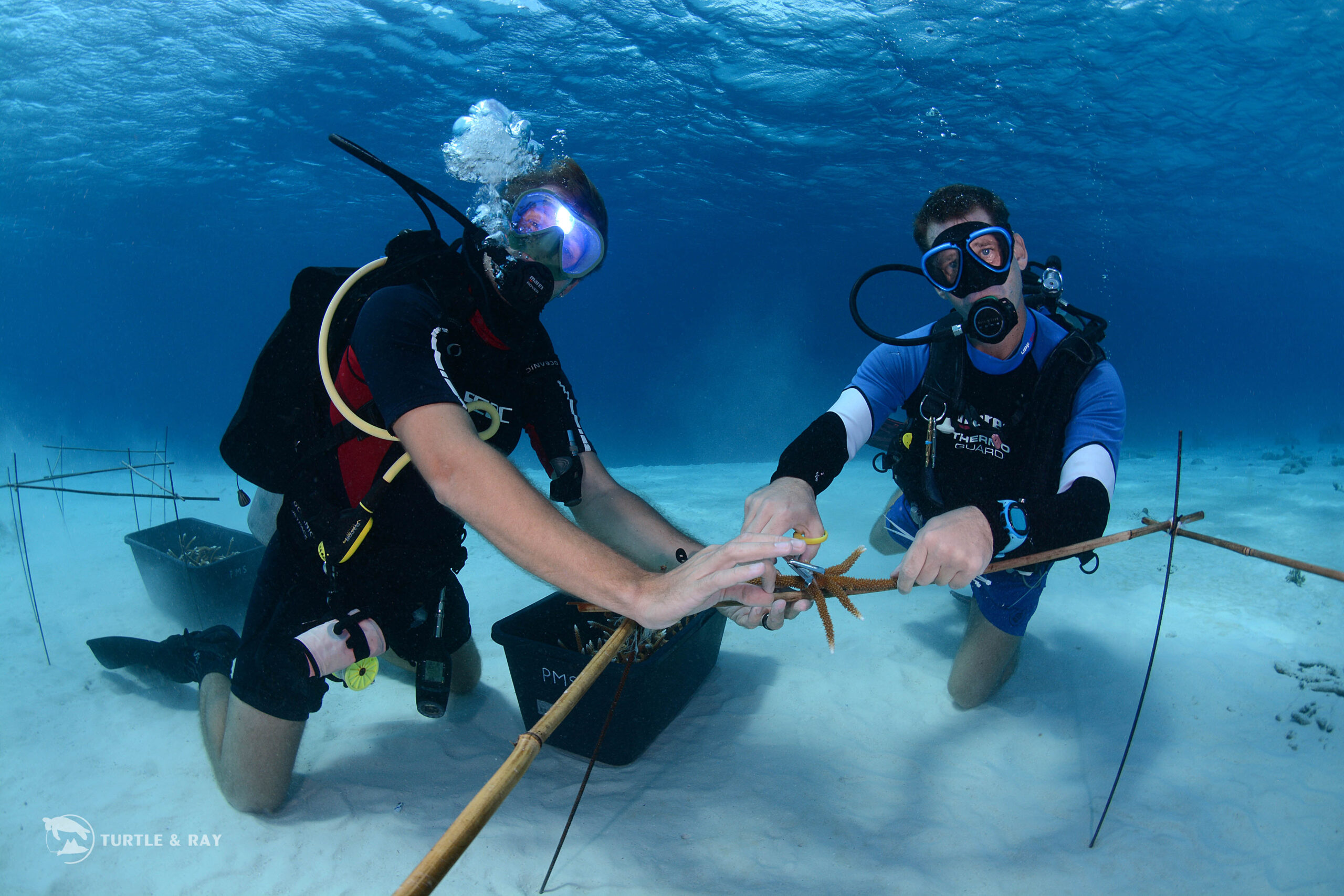
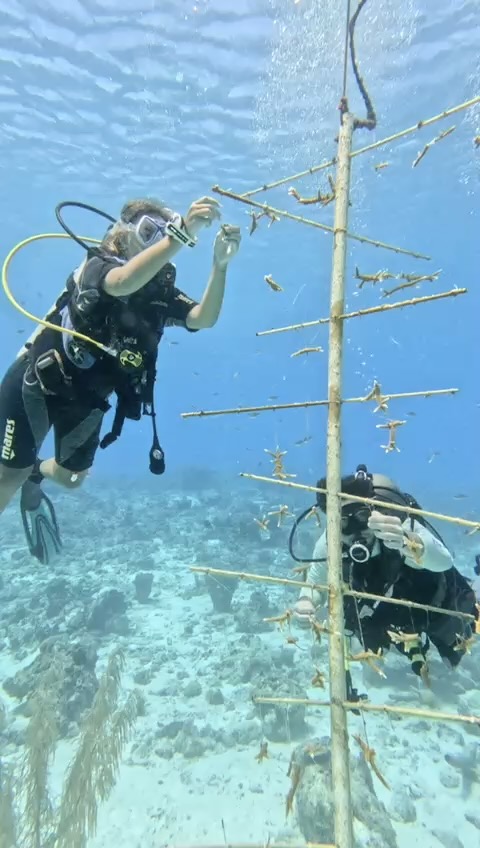
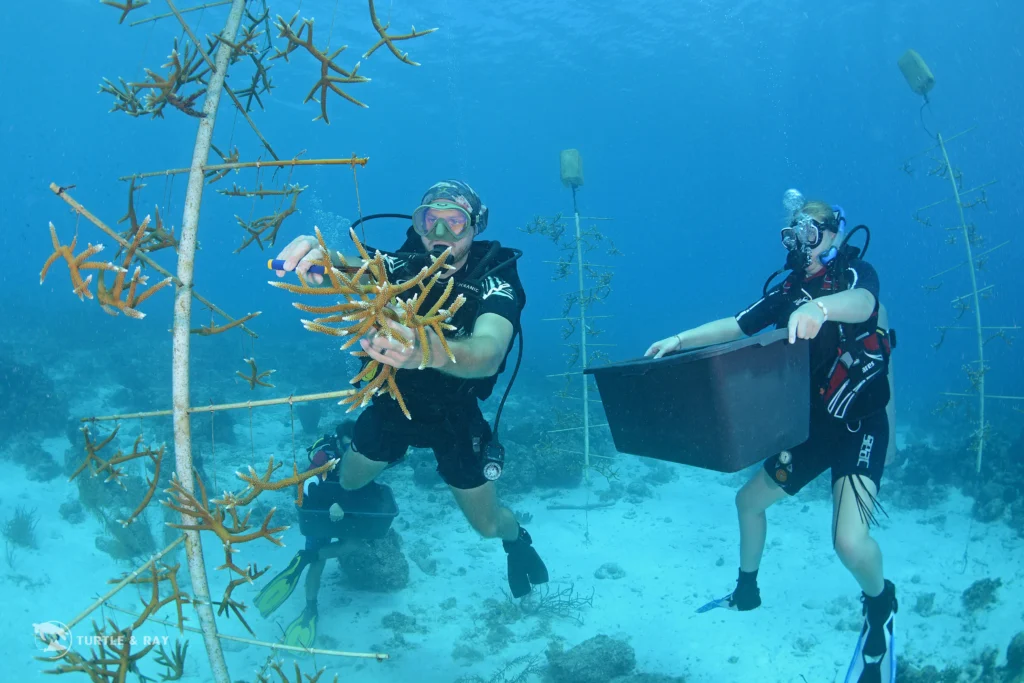
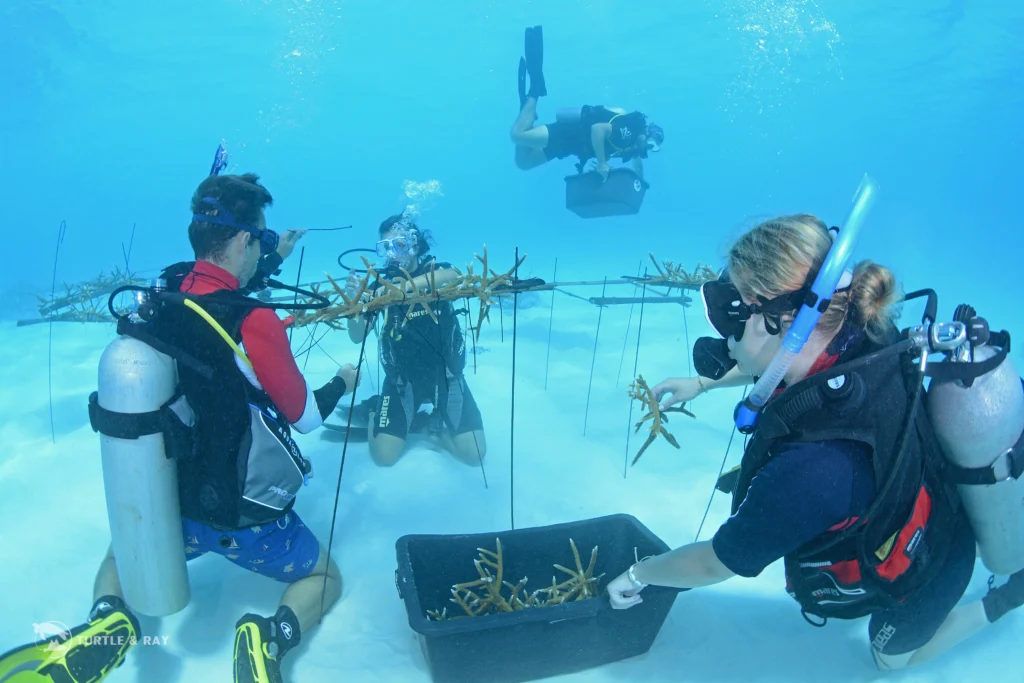
Small coral fragments are placed in underwater nurseries, where they are maintained, cleaned, and monitored. Once they have grown large and strong enough, they are transplanted onto suitable areas of the natural reef.
This process helps increase populations of endangered reef-building corals through controlled propagation and outplanting. Staghorn coral is particularly well suited to this approach because it naturally forms new colonies through fragmentation and can grow quickly under favorable conditions.
The coral propagation techniques used by BRANCH Coral Foundation are also applied internationally. What makes BRANCH different is how these activities are combined into a locally driven restoration model:
Expanding restoration efforts beyond staghorn coral to include other threatened species, such as grooved brain coral.
Multiple decentralized coral nurseries located throughout Curaçao.
Long-term partnerships with local dive schools, resorts, and other businesses.
Scientific research conducted by students and interns, focusing on coral growth, survival rates, and local nursery conditions.
Educational programs for young people, divers, volunteers, and visitors.
Hands-on participation, allowing people not only to learn about coral restoration but also to contribute directly to nursery maintenance and coral outplanting.
Beyond the reef: education and community involvement
Innovation at BRANCH is not limited to restoring coral reefs. It also involves connecting science, education, tourism, and local communities.
BRANCH visits schools and organizes workshops where participants learn why coral reefs matter and how coral restoration works. Through educational activities and coral nursery visits, the foundation brings this knowledge to life.
By doing so, BRANCH encourages both local residents and visitors to become more aware of the marine ecosystem and actively contribute to coral reef conservation.
BRANCH Coral Foundation currently operates 10 coral nurseries across the island. One of our longest-standing partnerships is at Jan Thiel Beach, where we collaborate with several dive schools. This partnership has since expanded with an additional coral nursery.
On the other side of the island, our largest nursery is located at Porto Mari Dive Center. Here, we are now also growing grooved brain coral.
Each nursery site contributes approximately 50 m² of transplanted reef area annually. With 10 active locations, that amounts to approximately 500 m² per year. Our goal is to establish at least three additional nurseries before the end of the year.
What impact does coral restoration have?
Coral restoration has a significant impact underwater. It involves much more than simply placing corals back onto a reef.
Take staghorn coral, for example. Its branching structure gradually transforms a bare section of reef into a habitat where juvenile fish and other marine animals can find shelter, feed, and grow. As the corals continue to grow and new colonies develop, more marine life can return. A relatively small restoration effort can eventually contribute to a larger, healthier, and more resilient coral reef. As the reef becomes more complex, it provides additional habitat and food sources for different marine species, supporting the recovery of the wider underwater ecosystem.
Coral restoration also has an important impact above the surface. Healthy coral reefs provide three major benefits to Curaçao:
Coastal protection: Reef structures reduce wave energy before it reaches the shoreline, helping protect beaches and coastal infrastructure.
Fisheries: Coral reefs provide food, shelter, and habitat for species that are both ecologically and economically important.
Tourism: Diving, snorkeling, beaches, and healthy marine ecosystems are essential parts of Curaçao’s tourism industry.
Recent GCRMN publications indicate that nearly one billion people benefit directly or indirectly from coral reefs worldwide. A CARMABI/SEALINK report estimates that reef-related tourism in Curaçao generates approximately US$373 million annually, representing around 38% of total visitor spending. Protecting coral reefs is therefore not only an ecological investment but also an economic one.
At the same time, coral restoration does not solve underlying problems such as pollution, ocean warming, and overfishing. Restoration efforts are most effective when the causes of reef degradation are also addressed. That is why BRANCH also invests in education, helping people understand the importance of coral reefs and raising awareness about the need to protect them.
Our mission: coral reef restoration in curaçao
For BRANCH Coral Foundation, coral restoration goes beyond growing and transplanting corals.
The foundation aims not only to restore Curaçao’s reefs but also to inspire people to take an active role in protecting them.
As founder Max van Aalst explains:
“Our ambition goes beyond simply growing corals. We want to build a network where scientists, local businesses, dive schools, volunteers, students, young people, and visitors take shared responsibility for the reef. We can bring corals back, but to secure a healthy future, we also need to improve the conditions in which they grow. Ultimately, we can only achieve this together: Grow. Reefs. Together.”
This collaborative approach is reflected in BRANCH’s restoration work. The foundation cultivates endangered staghorn coral (Acropora cervicornis) and, since 2025, has also been working to restore grooved brain coral (Diploria labyrinthiformis). Using innovative techniques such as microfragmentation, BRANCH investigates how these corals can grow more successfully and be reintroduced to natural reefs. Today, thousands of corals are transplanted onto reefs every year, with a survival rate of more than 90% among nursery-grown corals.
But restoring Curaçao’s coral reefs doesn’t stop underwater. Through school visits, workshops, and courses, BRANCH inspires the next generation and shows how everyone can make a difference. You can be part of the solution, too. By learning more about corals, raising awareness, or getting directly involved, you can help create a future where Curaçao’s coral reefs can grow and thrive again.
You can make a difference in restoring Curaçao’s coral reefs. Whether you’re visiting the island or want to support our work from home, there are several ways to get involved.
Adopt a Coral: Support coral restoration with a donation and help new corals grow.
Become a Volunteer: Help maintain our underwater coral nurseries if you’re in Curaçao and have diving experience.
Make a Donation: Support our mission and make a difference for our reefs and their future.
Together, we can bring back the color of the ocean
Coral reefs can recover, but only if we act now. Every choice you make helps shape the future of our oceans. The BRANCH Coral Foundation works every day to restore color, life, and balance to the sea, but lasting change is only possible with people like you.
Want to make a real difference? Support a restoration project, adopt a coral, or volunteer. Every action, no matter how small, brings our oceans one step closer to recovery.
Corals are made up of tiny marine animals called coral polyps, which often live together in colonies. But coral is more than just a marine animal. Many reef-building corals have a symbiotic relationship with microscopic algae. Through photosynthesis, these algae produce nutrients that support coral growth and absorb carbon dioxide. Together, corals build reefs that provide habitat for thousands of marine species and contribute to healthy marine ecosystems. Read more in our article about coral.
Why Are Coral Reefs Important?
Coral reefs provide food, shelter, and breeding grounds for countless marine species. They also protect coastlines against waves and storms and support local economies through fisheries and tourism. Healthy coral reefs are therefore essential not only for marine biodiversity but also for the communities that depend on them.
How Does Coral Restoration Work?
Coral restoration uses different techniques to help damaged reefs recover. Organizations such as BRANCH Coral Foundation grow small coral fragments in underwater nurseries. Once the corals have grown sufficiently, they are transplanted onto suitable areas of the natural reef. Over time, this process can help increase live coral cover and support reef recovery.
Which Coral Species Are Being Restored in Curaçao?
In Curaçao, BRANCH Coral Foundation focuses on restoring species including staghorn coral (Acropora cervicornis) and grooved brain coral (Diploria labyrinthiformis). These reef-building species play an important role in the marine ecosystem. By cultivating and transplanting them, BRANCH contributes to the recovery of damaged coral reefs.
How Can You Support Coral Restoration?
There are several ways to contribute to coral restoration. You can support restoration projects by making a donation, participating in volunteer activities, or learning more about coral conservation through educational programs and workshops. Reducing pollution and making environmentally responsible choices around the ocean also help protect coral reefs.